ESL Tutoring: Start and Run Your Independent Practice
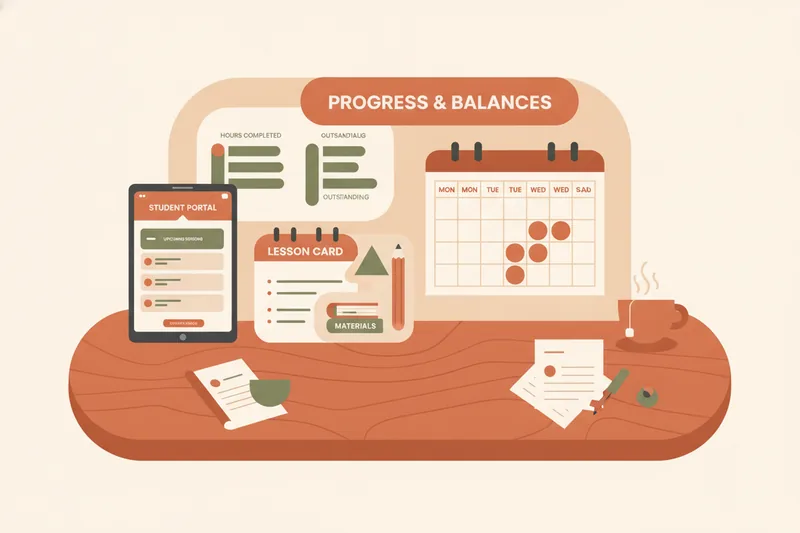
ESL tutoring is one-to-one or small-group instruction that helps non-native English speakers build the four core skills — speaking, listening, reading, and writing — for work, study, or everyday life. It's a paid teaching practice, not a marketplace listing, and running it well takes as much attention to structuring lessons, setting rates, and tracking packages as it does to finding students. This guide covers both halves: what the role involves and how to qualify for it, and the operational side — packages, schedules, and materials — that most marketplace or certification pages skip entirely.
What Is ESL Tutoring? Role, Skills, and Who It's For
An ESL tutor teaches English as a second language, usually outside a classroom setting, to learners who already have some English but need targeted, personalized instruction. Unlike a school teacher managing a fixed curriculum for a whole class, a tutor typically works one-to-one tutoring or with very small groups, adapting pace and content to one learner's goals — which is also why bookings, rescheduling, and lesson notes pile up in chat threads and spreadsheets once a tutor has more than a handful of regular students, a hassle a calm workspace like Umvelo is built to remove by keeping schedules, packages, and materials in one place.
Sessions typically address four skills: speaking (conversation fluency and pronunciation), listening (comprehension of natural speech), reading (vocabulary and comprehension strategies), and writing (grammar accuracy and structured composition). Most tutors weight these differently by learner — a professional preparing for calls needs more speaking and listening, while an exam candidate needs balanced coverage across all four.
ESL tutoring serves adult learners relocating or working abroad, university students needing academic English, and professionals preparing for interviews, certifications, or international assignments — a broader, more self-directed audience than school-age language classes.
Tutoring Formats: One-to-One, Small Groups, and Exam Prep
Three formats structure most ESL tutoring practices, and each shapes how lessons get planned and priced.
One-to-one tutoring is the default for personalized instruction: sessions built entirely around one learner's goals and gaps, with materials and homework tailored session to session.
Small group tutoring suits learners at similar levels who want peer interaction and a lower per-head cost. It demands more upfront lesson planning, since the tutor serves several skill levels and personalities at once, and materials must work for the whole group rather than one person.
Exam-prep tutoring — for IELTS, TOEFL, or Cambridge exams — is its own category because it's structured around a fixed test format, timed practice, and scoring criteria rather than open-ended skill building. Sessions typically follow a syllabus of practice tests, timed writing tasks, and mock speaking interviews, with progress measured against band scores or point targets.
These formats aren't mutually exclusive — many tutors run one-to-one, groups, and exam prep on the same weekly schedule.
How to Become an ESL Tutor: Training and Certification
Most students and marketplaces expect at least a TEFL or TESOL certification — Teaching English as a Foreign Language / to Speakers of Other Languages — a course covering lesson planning, classroom management, and language-teaching methodology, usually completed online in a few weeks. It isn't a legal requirement to tutor privately, but it signals a baseline of teaching method beyond "being a fluent speaker," and serious students often ask for it upfront.
Formal certification and experience aren't strictly either/or. Some teacher-training pathways deliberately welcome people switching careers rather than only those who committed to an education degree from the start — a useful reminder that a background in another field doesn't disqualify someone from becoming a credible ESL tutor, provided it's paired with structured training or a solid track record of student outcomes.
For exam-prep tutoring specifically, familiarity with the actual test format — IELTS band descriptors, TOEFL scoring, Cambridge exam structure — matters as much as general TEFL training, since students are paying for exam-specific coaching, not general conversation practice.
How Much Do ESL Tutors Charge? Rates and Pricing Benchmarks
Hourly rates for ESL tutoring vary widely by format, experience, and market: new tutors with a TEFL certificate often start lower to build reviews, while experienced or exam-prep specialists charge a premium for structured outcomes. Online sessions also tend to run cheaper than in-person ones — commonly 10-25% less across experience levels — since there's no travel time or venue cost built into the rate.
Rates alone don't tell the whole story. Most tutors sell lesson packages — a block of sessions bought and prepaid together — rather than charging lesson by lesson, since it commits the student, smooths income, and cuts the admin of invoicing every single session. But a package only works if someone tracks it: how many lessons were paid for, how many are already planned on the calendar, and how many remain free to book. Losing track of that ledger — the running balance of paid, planned, and free lessons — is exactly what turns pricing into guesswork and creates awkward conversations about whether a student has "lessons left."
Where ESL Tutoring Happens: Marketplaces, Free Programs, and Independent Practice
New and experienced tutors typically find students through three channels, each trading reach for control.
Online tutoring marketplaces like Preply, Cambly, and italki connect tutors with students actively searching for lessons, handling discovery in exchange for a commission on every booking — often a meaningful cut, especially before a tutor has a regular client base. Volunteer or free ESL programs, often run through libraries, community centers, or nonprofits, serve learners who can't pay market rates; they're valuable for building teaching hours and references but aren't a sustainable income base on their own. Independent practice means the tutor finds and keeps students directly — through referrals, a personal website, or word of mouth — and manages scheduling and payment relationships without a marketplace intermediary.
Marketplaces vs. teaching independently
Industry discussion of online tutoring options usually splits platforms into tutor marketplaces and online course platforms — not marketplaces versus dedicated tutoring management software, which is a separate category tutors add once they're teaching independently rather than relying on a marketplace's built-in tools.
The practical difference for a tutor's income is commission. A marketplace takes its cut on every lesson regardless of how the relationship started; independent practice with direct student payment keeps everything charged, at the cost of doing your own marketing and admin. Many tutors start on a marketplace to build reviews, then move part of their roster to direct, no-commission relationships once students want to continue with them specifically.
How to Structure and Run Effective ESL Tutoring Sessions
A well-run ESL tutoring session starts before the student joins: a short plan naming which skill — speaking, listening, reading, or writing — the lesson targets, what material supports it, and what success looks like by the end. Exam-prep sessions follow a syllabus toward the test date; general one-to-one sessions can flex more but should still build toward something rather than being open conversation every time.
Two logistics decide whether that plan survives contact with real life: scheduling and rescheduling. Students reschedule — work meetings, time zones, illness — and a tutor juggling that by text across several students loses track fast. A calendar both sides can see and act on, where a reschedule request is a single accept rather than a chain of messages, keeps actual teaching time protected.
Materials and homework matter just as much. Attaching the right file, worksheet, or link directly to the lesson it belongs to — rather than emailing it separately — means the student opens their next session already knowing what to review, and the tutor isn't hunting through old messages for "that PDF from three weeks ago."
Finally, progress needs a visible record. Whether it's informal notes or formal grades against exam band descriptors, a student — and, for exam-track learners, sometimes a parent — benefits from seeing progress accumulate lesson over lesson rather than trusting it exists somewhere in the tutor's memory.
Running an Independent ESL Tutoring Practice Without Spreadsheets
Once a tutor has enough regular students, spreadsheets and chat threads stop being a minor annoyance and start costing lesson time. Scheduling lives in one tab, package balances in another, materials scattered across email and messaging apps — and every reschedule or payment update needs manual cross-checking. Tutoring management software exists to close that specific gap, as a category distinct from the student-search marketplaces covered above.
The core of that kind of workspace is linking lesson scheduling, packages, and materials to the same lesson record instead of splitting them across files. A tutor plans lessons on a calendar, and when a student requests a reschedule from their own portal, accepting it updates both sides at once — no manual re-entry required.
Because the ledger tracks lessons rather than processing payments, students pay the tutor directly — no commission taken on the lesson itself — then mark the payment and attach a receipt for the tutor to confirm; the ledger updates what's paid, planned, and still available. Tutors who'd rather not track amounts at all can run a "lessons only" mode instead.
Materials and homework attach to the specific lesson they belong to, visible only to the intended student in their own portal alongside their schedule, balance, and grades — a student-facing login pattern common across tutoring management tools generally.
Two more pieces round out a workspace like this: bot integration through Telegram, so students can book, reschedule, or check materials and balance without a separate app; and a personal mini-site on a subdomain, built from ready-made blocks, so new students can find a tutor and submit a request directly.
ESL Tutoring FAQ
Do I need certification to tutor ESL? Not legally, but a TEFL or TESOL certificate is what most paying students and marketplaces expect, and it covers lesson planning and methodology that experience alone doesn't always teach.
How much can I earn as an ESL tutor? It depends heavily on format, market, and experience; exam-prep and specialist tutors typically command more than general conversation tutors, and online rates run somewhat below in-person ones. Earnings scale mainly with how many regular, package-based students a tutor retains — not the headline hourly rate.
What's the difference between free and paid ESL tutoring options? Volunteer and library or nonprofit programs serve learners who can't pay market rates and help tutors build hours and references; paid tutoring — marketplace or independent — is where a sustainable income comes from.
How do I keep track of packages and payments without a commission? By separating "who owes what" from "who processed the money": a ledger that tracks paid, planned, and free lessons per student, updated when a receipt is confirmed, works without any platform taking a cut of the payment itself — the direct-payment model independent tutors rely on.
Ready to run your ESL tutoring practice without spreadsheets? Request access to Umvelo and get your scheduling, packages, and materials linked in one calm workspace.