Teach English Online: Build Your Independent Practice
Teaching English online starts with a straightforward set of requirements — usually no degree, often a TEFL/TESOL certificate, and a reliable setup — but the bigger decision is what happens after you land your first students: whether you stay inside a tutoring platform's commission structure or build an independent practice where you keep what you earn. This guide walks through both stages: what qualifies you to teach, how platforms compare to independent tutoring, realistic earnings, and — once you actually have students — how to manage scheduling, payments, and materials without spreadsheets and scattered chat threads.
What It Takes to Teach English Online
Most people overestimate the bar for entry. You don't need a teaching degree, and many platforms and independent students don't require prior classroom experience. What matters more is demonstrable fluency and the ability to structure a lesson.
Do you need a degree or a TEFL/TESOL certificate?
A university degree is not a universal requirement — some platforms ask for one, many independent students don't care at all. A TEFL/TESOL certification (a short training course covering lesson planning, classroom management, and teaching methodology) is the more common credential, and it matters more than a degree for building credibility, especially with exam-prep or business-English learners. What's non-negotiable is English fluency or native-level proficiency, since learners are paying to hear correct, natural usage modeled consistently.
Basic equipment and setup
The technical bar is low: a decent webcam, stable internet, and a quiet space with reasonable lighting. Many teachers start with a laptop, a basic headset, and a shared document or whiteboard tool. As your student list grows, though, the equipment stops being the bottleneck — the administrative side does. This is exactly the gap tools like Umvelo are built to close once teaching stops being occasional and starts being a real practice: keeping schedules, packages, and materials in one place instead of across a notebook, three chat apps, and a spreadsheet.

Platform Employment vs. Building Your Own Independent Tutoring Business
This is the fork every online English teacher eventually reaches, and it shapes everything from earnings to how you manage your day.
How platform employment works
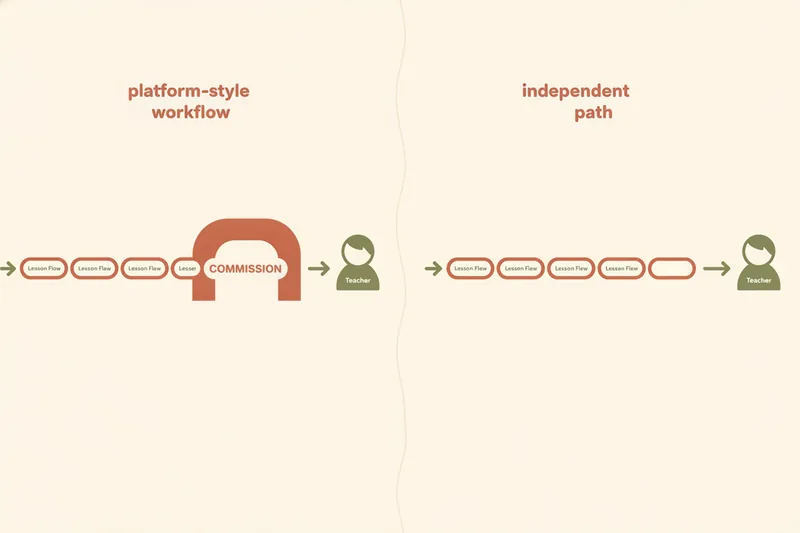
Online tutoring platforms — VIPKid, Preply, Cambly, italki, Lingoda — connect you with students, handle payment processing, and often provide a baseline curriculum. In exchange, they take a commission, typically a percentage of each lesson's price, and set rules around pricing, cancellation policies, and sometimes lesson structure. The upside is built-in demand: you don't need to market yourself. The trade-off is a lower per-lesson take and less control over your rates and schedule.
How independent tutoring works
Independent tutoring means you find students yourself — through referrals, your own marketing, or word of mouth — and they pay you directly. There's no platform commission, so pricing decisions, cancellation policies, and scheduling are entirely yours. The trade-off shifts: you're responsible for finding students and for the operational side — booking, tracking payments, sharing materials — that a platform used to handle for you.
How Much Can You Earn Teaching English Online
Platform hourly pay varies widely by platform, learner region, and your qualifications, but the number that actually matters is what you keep after commission — a platform's advertised rate isn't your take-home rate. A cut of 15–30% (varying by platform and contract) can meaningfully change your effective hourly earnings, especially once you factor in unpaid preparation time.
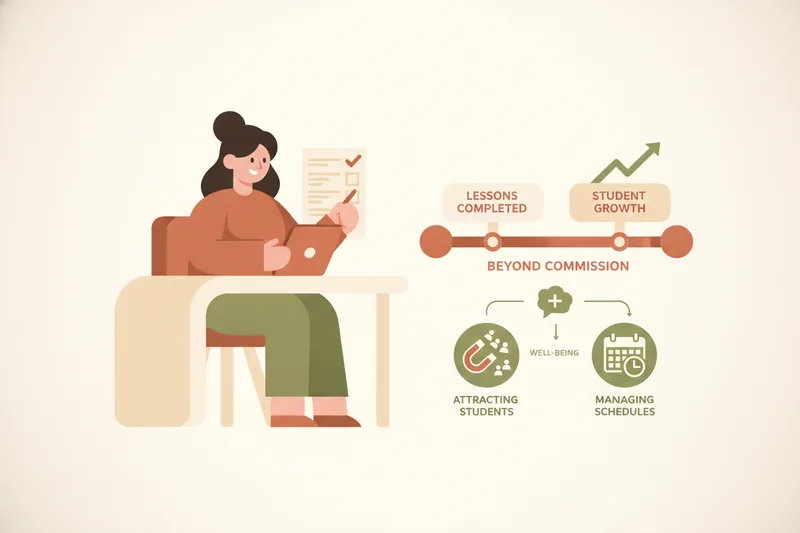
Teaching directly reframes the math: instead of asking "what's the hourly rate," you ask "what do I keep per lesson." When students pay you directly, there's no commission to subtract — you keep 100% of the lesson fee. The trade-off is that you absorb the work platforms used to do for you: attracting students, scheduling, and tracking who has paid for what. For teachers with a steady student base, that trade tends to favor independence; for teachers still building a client list, platform demand can be worth the cut.
Teaching English Online With No Degree or Experience
You can start teaching online without a degree or prior classroom experience — this is one of the most searched questions for a reason, and the honest answer is that it's genuinely possible, not just marketing copy from a platform's sign-up page. What most beginners lack isn't qualification, it's a substitute for the credibility a degree or experience would otherwise signal. A TEFL/TESOL certification fills that gap: it shows a prospective student or platform that you understand lesson structure even without a teaching résumé.
For a first niche, beginner-friendly lanes work best: conversation practice (low-stakes, flexible pacing, easy to demonstrate value quickly) and structured exam prep (IELTS, TOEFL, Cambridge), where a clear syllabus substitutes for years of experience. Both let a new teacher build a track record fast, which then supports either platform applications or a move toward independent students.
Step-by-Step: How to Start Teaching English Online
1. Get certified if needed
If you're missing a degree or teaching background, a TEFL/TESOL course closes that gap for both platforms and independent students. If you already have relevant experience or credentials, you can often skip this step and move straight to positioning yourself.
2. Choose your path: platform or independent
Decide upfront whether you're starting on a platform for built-in demand or going independent from day one. Many teachers start on a platform, build a portfolio of reviews and referrals, and transition later — that's a normal, common path, not a failure to commit.
3. Find your first students
If you're going the platform route, applications through the platform's own onboarding are the entry point. Going independent, ESL job boards, referral networks, and local or online community groups are common sources for your first students, alongside simple word-of-mouth once you've taught even a handful of lessons.
4. Set up your teaching tools
Settle on your rate structure — hourly, per lesson, or in packages — before your first booking, not after. Then set up whatever you'll use to run lessons day to day: a video tool, a whiteboard or shared document, and a way to track who's booked, who's paid, and what materials belong to which lesson. This last piece is where a real teaching business starts needing more than a notebook.
Managing Bookings, Payments, and Materials Once You Have Students
This is the stage most guides skip, because it starts only after you've already found students — but it's where an independent teaching business either runs smoothly or quietly falls apart into missed reschedules and unclear balances.
Scheduling and reschedules without spreadsheets
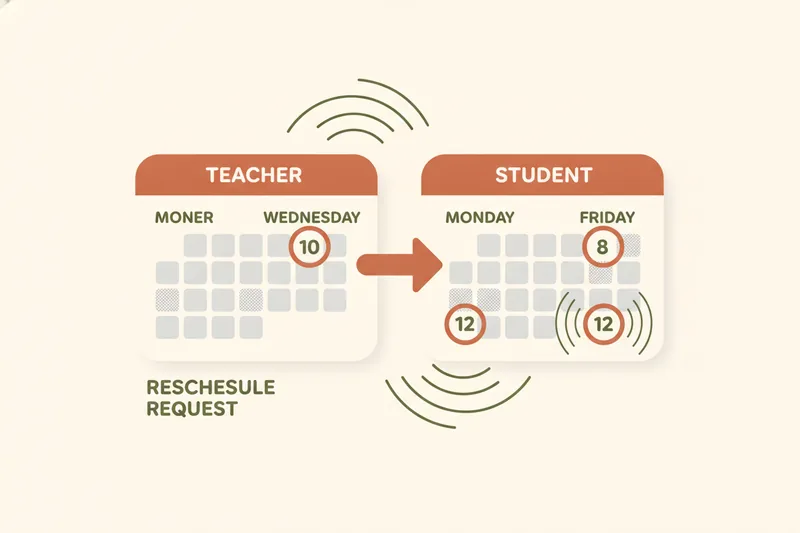
Once you have a handful of regular students, a shared calendar plus manual reschedule messages stops scaling. A workspace built for teaching lets students request a reschedule directly, and you accept or adjust it with the calendar staying in sync on both sides — no cross-referencing a spreadsheet against a chat thread to confirm what actually changed.
Tracking lesson packages, balances, and receipts
Most independent tutors sell in lesson packages rather than pay-per-lesson, which means someone has to track what's paid, what's planned, and what's still available. A payment ledger does exactly that: after a student pays you directly, they mark the payment and attach a receipt, you confirm it, and the balance updates automatically. Importantly, this is tracking, not processing — the money moves directly between student and teacher, with no platform commission taken and no third party holding funds.
Sharing materials and homework per lesson
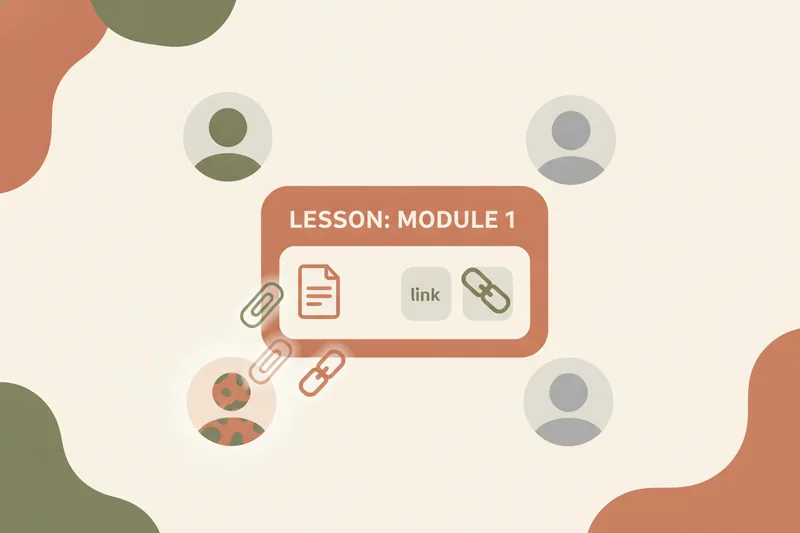
Homework and materials scattered across email attachments and chat messages are hard for students to find later and hard for you to reference mid-lesson. Attaching files and links directly to a specific lesson — visible only to the intended student — keeps materials tied to context instead of buried in a thread.
Letting students book via Telegram or your own mini-site
Two extra channels matter once you're independent: a Telegram bot integration lets students check their schedule, balance, and materials, and send booking requests, right inside an app they already use daily. A personal mini-site on your own subdomain, built from ready-made blocks, gives new students a place to find you and submit a request without you managing an inbox of cold messages. Together, a student portal, Telegram access, and a mini-site cover most of what used to require three separate tools.
Frequently Asked Questions
How much can I earn teaching English online? It depends heavily on path: platform pay is reduced by a commission (often 15–30%), while direct payment from independent students means you keep the full lesson fee, though you take on the work of finding and managing those students yourself.
Do I need a degree or certificate to teach English online? A degree usually isn't required. A TEFL/TESOL certificate isn't universally required either, but it's the most common substitute for a degree or prior experience and helps with both platform applications and independent students.
Which platform is best — VIPKid, Preply, Cambly, italki, or Lingoda? There's no single best option; each differs in commission structure, learner demographics, and scheduling rules. Many teachers try one platform to build experience and reviews, then move toward independent tutoring once they have a steady student base.
How do I get paid teaching independently? Students pay you directly — there's no platform processing the transaction. What you need instead is a reliable way to track lesson packages, confirm receipts, and see at a glance what's paid, planned, and still owed, so nothing depends on memory or a running spreadsheet.
Ready to move past spreadsheets once you have your own students? Request access to Umvelo to manage scheduling, lesson balances, and materials in one calm workspace.